Available Days
- November 9
- November 10
Appointments Disclaimer
The availability of visiting doctors is periodic and not based on a fixed schedule. The advertised dates reflect current availability and are subject to change without prior notice. Call to know more on +974 4144 2999
Minimally Invasive.
Maximally Effective.
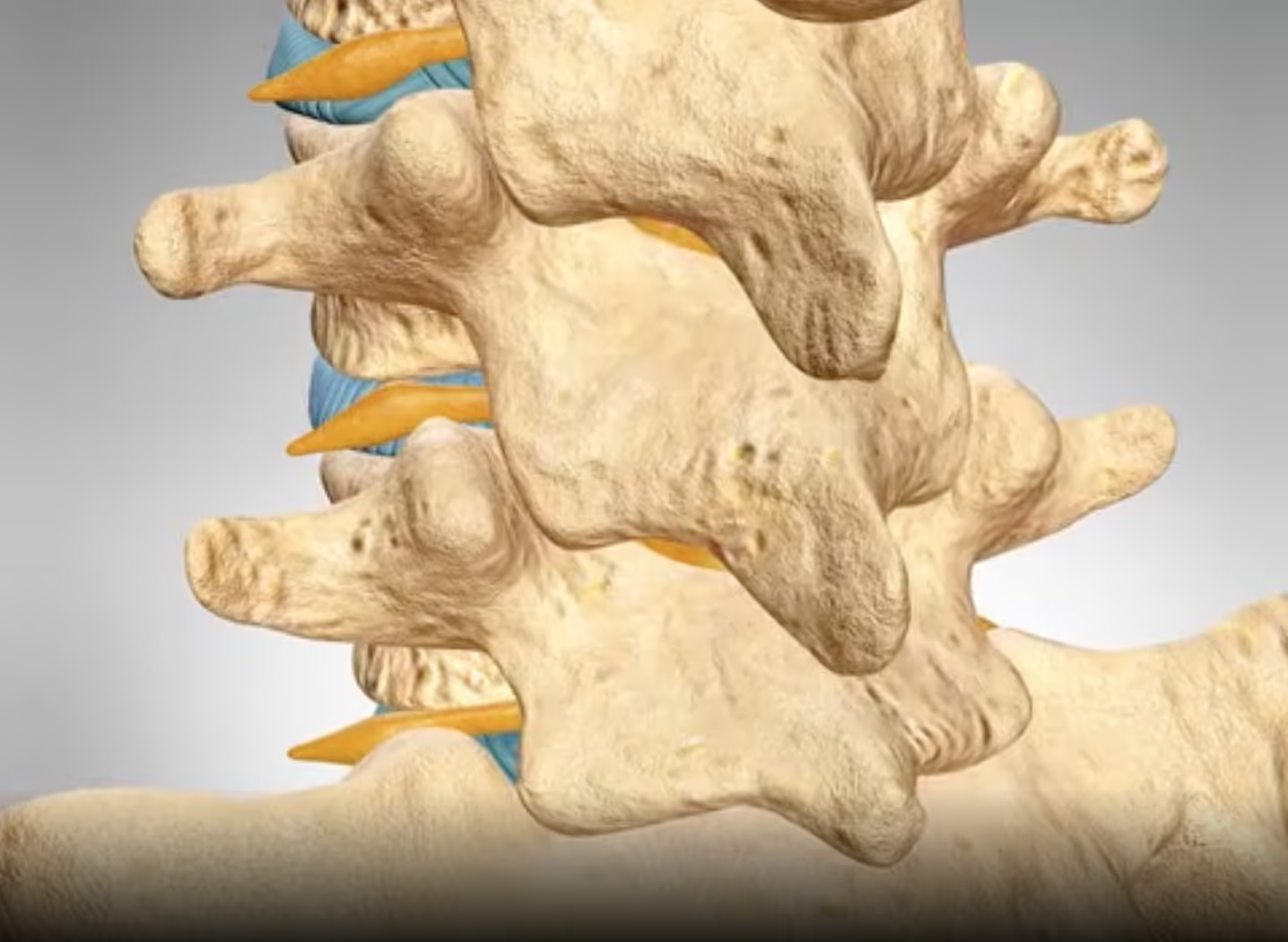
Today’s spine surgery uses small incisions, ensures faster recovery, and delivers consistent results—reflecting our commitment to restoring your quality of life with simplicity and precision.
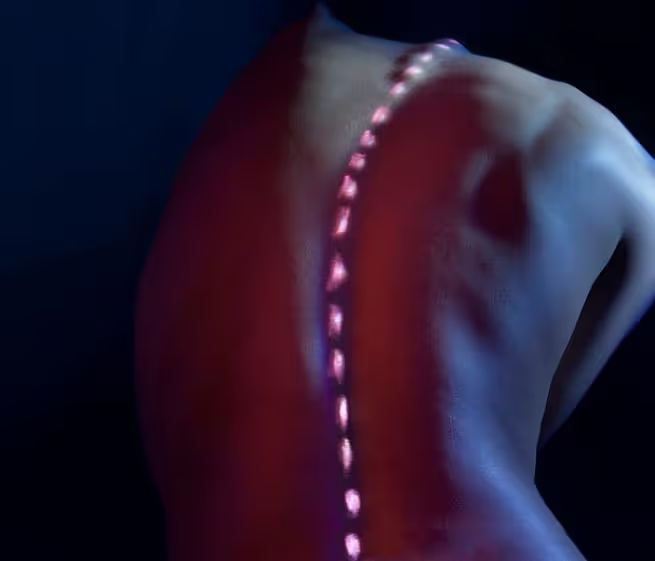
Neck Procedures
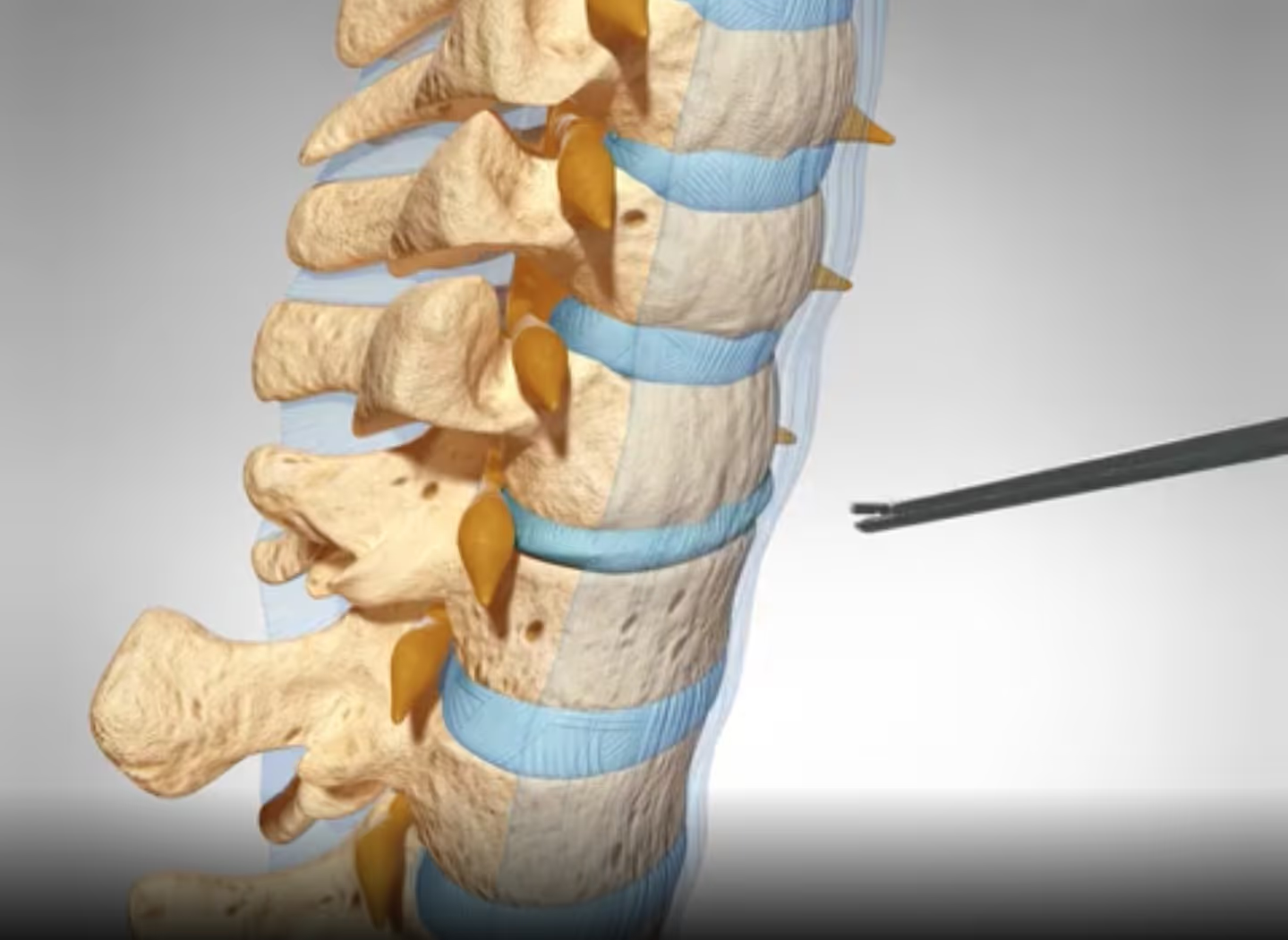
Middle Back Procedures
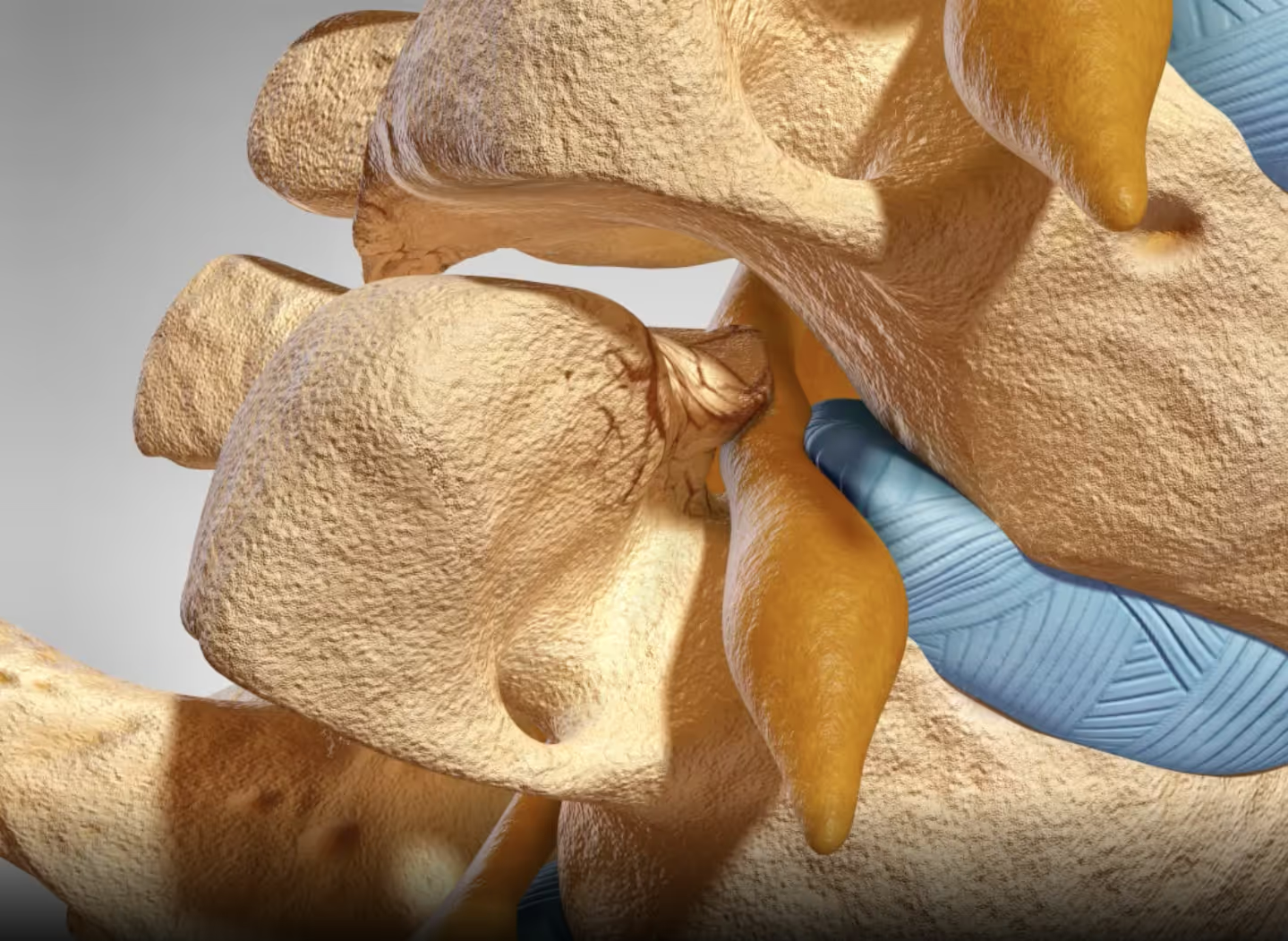
Lower Back Procedures
Global Alignment



Subspecialties
- Brain & Spinal Tumor
- Neurosurgical Spine Surgery
- Neurotrauma
- Skull Base
Dr. George Hanna is a neurosurgeon in West Hollywood, California and is affiliated with Cedars-Sinai Medical Center, Advanced Surgical Center of Beverly Hills and Specialty Surgical Center of Beverly Hills. He received his medical degree from Saint Louis University School of Medicine and has been in practice between 11-20 years. He has expertise in treating spinal fusion, spinal stenosis and spondylosis, among other conditions - see all areas of expertise.
Dr. George Hanna is a Fellowship-Trained Neurosurgeon who completed his undergraduate training at the University of California, Los Angeles (UCLA), where he studied Molecular, Cell & Developmental Biology. He completed an undergraduate thesis, Assessing the role of macrophages and granulocytes in the degeneration of severed trigeminal axons in zebrafish, for which he received Departmental Honors. He completed his Doctor of Medicine (M.D.) degree at the Saint Louis University School of Medicine where he received a Doctor of Medicine Degree with Distinction in Research. Thereafter, he completed a Neurological Surgery residency at the University of California, Irvine (UCI) and, later, his Neurosurgery Spine Fellowship at Cedars-Sinai Medical Center. His post-doctoral fellowship in Neurological Surgery was funded by the Neurosurgery Research Education Fund (NREF). He remains involved in advanced work in thoracoscopic spinal surgery, navigated spinal surgery, robotic spinal surgery, functional outcomes and clinical and basic science investigations on Gliomas and Brain Tumor research. Dr. Hanna has extensive experience in cranial and spinal neurosurgery that includes tumors of the skull base, cerebellopontine angle, supratentorial and infratentorial space and treats brain tumors such as meningiomas, ependymomas, schwannomas and oligodendrogliomas, vascular lesions of the spine and brain, subdural and epidural hematomas, trigeminal neuralgia, hydrocephalus, pseudotumor cerebri, Chiari malformation and cranio-cervical junctional abnormalities. His extensive spine training allows him to deal with complex deformities, adult degenerative scoliosis, cervical and lumbar total disc replacements, microdecompressions, thoracoscopic disc surgery and Robotic and Navigated Spine Surgery.
Healthy living starts here
The Patient’s Guide: Simplifying Healthcare, Step by Step